-
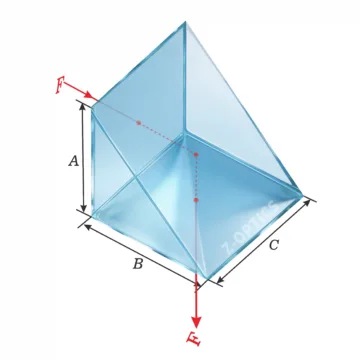
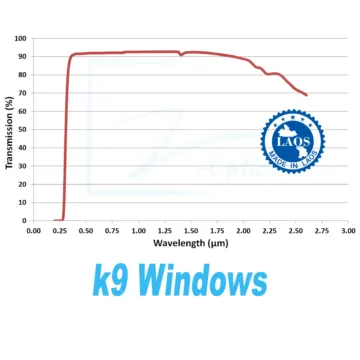
Z-Optics manufactures K9 glass windows featuring high-transmittance, plane-parallel glass designed to shield sensitive electronics and sensors without altering system magnification. Engineered for demanding medical, defense, and industrial applications, these precision windows deliver superior transmitted wavefront performance. We offer custom dimensions alongside specialized AR and scratch-resistant coatings to ensure peak durability and transmission for your specific optical setup.
-
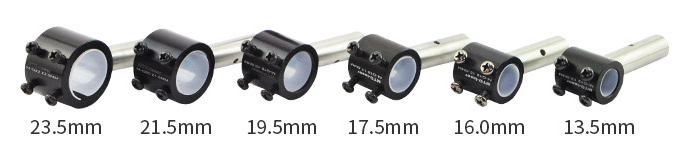
Our laser modules can be conveniently mounted on our laser brackets. There are several different designs to better fit our customers' applications. We can also provide special design if you can't find proper one here for you. All brackets use the same tubes series with different diameter. Here we list the most widely used sizes. The tube can be customized too.
-
Z-Optics provides a full line of laser diodes from 405nm to 1625nm. All the products are qualified and operate reliably. Most products are on the shelf for quick delivery. Products listed in the table are not always updated on time. So just please tell us the wavelength, power, and package if not listed here, we will check our stock for you.
-
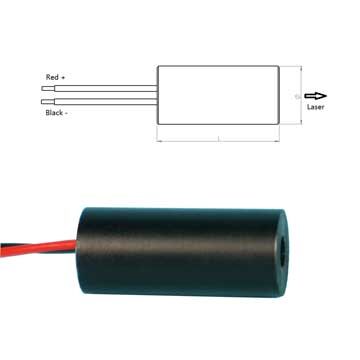
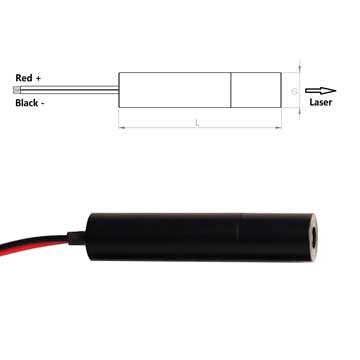
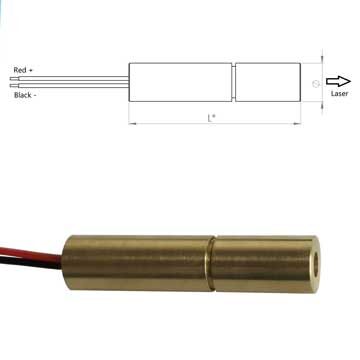
Z-Optics provides visible and infrared laser modules with circular, elliptic, linear, and cross-hair beam profiles in a variety of packages and configurations at very competitive prices. Our engineers have optics, crystal and laser background, years experiences in laser module design and production, which make us competitive in integrating the optics, electrics and laser together according to the requirements of customers. We promise one week delivery time for samples and 1-2 weeks for mass order.

 Our Capability: Super Linearity and Flatness - A line laser module is developed, with only <2mm height difference over 1x1m2 flat surface, visible or infrared wavelength.Super Small Laser Module - A 650nm laser module is developed, with only 3.3mm diameter.Super directivity - the beam spot lies on the centre line of the laser module by fine design and adjustment.A 532nm laser module is under developing, which has the widest operation temperature window, -10~+50 Celsius degree. The most power-saving 532nm laser module is under developing
*More dimensions, package, power level and high-quality products please download our catalogue
Our Capability: Super Linearity and Flatness - A line laser module is developed, with only <2mm height difference over 1x1m2 flat surface, visible or infrared wavelength.Super Small Laser Module - A 650nm laser module is developed, with only 3.3mm diameter.Super directivity - the beam spot lies on the centre line of the laser module by fine design and adjustment.A 532nm laser module is under developing, which has the widest operation temperature window, -10~+50 Celsius degree. The most power-saving 532nm laser module is under developing
*More dimensions, package, power level and high-quality products please download our catalogue
-
Z-Optics provides visible and infrared laser modules with circular, elliptic, linear, and cross-hair beam profiles in a variety of packages and configurations at very competitive prices. Our engineers have optics, crystal and laser background, years experiences in laser module design and production, which make us competitive in integrating the optics, electrics and laser together according to the requirements of customers. We promise one week delivery time for samples and 1-2 weeks for mass order.
Our Capability: Super Linearity and Flatness - A line laser module is developed, with only <2mm height difference over 1x1m2 flat surface, visible or infrared wavelength.Super Small Laser Module - A 650nm laser module is developed, with only 3.3mm diameter.Super directivity - the beam spot lies on the centre line of the laser module by fine design and adjustment.A 532nm laser module is under developing, which has the widest operation temperature window, -10~+50 Celsius degree. The most power-saving 532nm laser module is under developing
*More dimensions, package, power level and high-quality products please download our catalogue
-
Z-Optics provides visible and infrared laser modules with circular, elliptic, linear, and cross-hair beam profiles in a variety of packages and configurations at very competitive prices. Our engineers have optics, crystal and laser background, years experiences in laser module design and production, which make us competitive in integrating the optics, electrics and laser together according to the requirements of customers. We promise one week delivery time for samples and 1-2 weeks for mass order.
Our Capability: Super Linearity and Flatness - A line laser module is developed, with only <2mm height difference over 1x1m2 flat surface, visible or infrared wavelength.Super Small Laser Module - A 650nm laser module is developed, with only 3.3mm diameter.Super directivity - the beam spot lies on the centre line of the laser module by fine design and adjustment.A 532nm laser module is under developing, which has the widest operation temperature window, -10~+50 Celsius degree. The most power-saving 532nm laser module is under developing
*More dimensions, package, power level and high-quality products please download our catalogue
-
Z-Optics offers circular, elliptic, linear, and cross-hair beam profiles of visible and infrared laser modules in a range of kits and models at very competitive prices. Our engineers have an optical, crystal and laser background, years of experience in the design and manufacture of laser modules, rendering us successful in integrating optical, electrical and laser according to customer requirements. We promise the arrival time of one week for samples and mass order in 1-2 weeks.
Our capability: Super Linearity and Flatness — A line laser module is built with a gap of only < 2 mm in height over 1x1m2 flat surface, visible or infrared wavelength. Super Compact Laser Module — A 650 nm laser module developed with a diameter of just 3.3 mm Super Directivity — the beam spot lies on the middle line of the laser module by delicate design and configuration.
Please check our catalogue for more dimensions, package, power level and high-quality items
-
Z-Optics provides visible and infrared laser modules with circular, elliptic, linear, and cross-hair beam profiles in a variety of packages and configurations at very competitive prices. Our engineers have optics, crystal and laser background, years experiences in laser module design and production, which make us competitive in integrating the optics, electrics and laser together according to the requirements of customers. We promise one week delivery time for samples and 1-2 weeks for mass order.
Our Capability: Super Linearity and Flatness - A line laser module is developed, with only <2mm height difference over 1x1m2 flat surface, visible or infrared wavelength.Super Small Laser Module - A 650nm laser module is developed, with only 3.3mm diameter.Super directivity - the beam spot lies on the centre line of the laser module by fine design and adjustment.A 532nm laser module is under developing, which has the widest operation temperature window, -10~+50 Celsius degree. The most power-saving 532nm laser module is under developing
*More dimensions, package, power level and high-quality products please download our catalogue
-
Z-Optics provides visible and infrared laser modules with circular, elliptic, linear, and cross-hair beam profiles in a variety of packages and configurations at very competitive prices. Our engineers have optics, crystal and laser background, years experiences in laser module design and production, which make us competitive in integrating the optics, electrics and laser together according to the requirements of customers. We promise one week delivery time for samples and 1-2 weeks for mass order.
Our Capability: Super Linearity and Flatness - A line laser module is developed, with only <2mm height difference over 1x1m2 flat surface, visible or infrared wavelength.Super Small Laser Module - A 650nm laser module is developed, with only 3.3mm diameter.Super directivity - the beam spot lies on the centre line of the laser module by fine design and adjustment.A 532nm laser module is under developing, which has the widest operation temperature window, -10~+50 Celsius degree. The most power-saving 532nm laser module is under developing
*More dimensions, package, power level and high-quality products please download our catalogue
-
Out of stockZ-Optics provides visible and infrared laser modules with circular, elliptic, linear, and cross-hair beam profiles in a variety of packages and configurations at very competitive prices. Our engineers have optics, crystal and laser background, years experiences in laser module design and production, which make us competitive in integrating the optics, electrics and laser together according to the requirements of customers. We promise one week delivery time for samples and 1-2 weeks for mass order.
For detailed datasheet please visit
"Full catalogue on shelf Products"