-
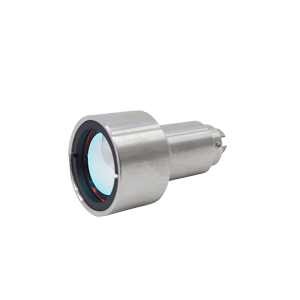
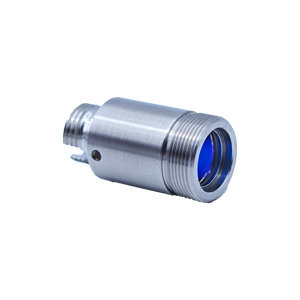
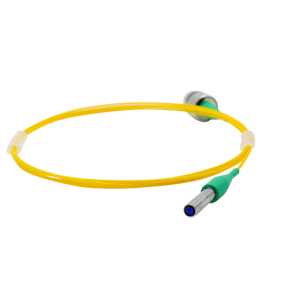
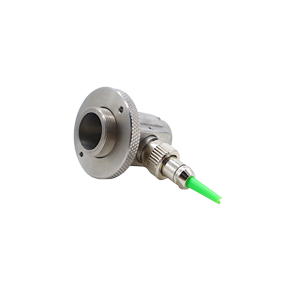
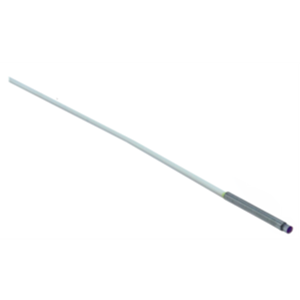
Long work distance fiber collimator can provide near parallel beam up to 200 meters. Aberration is corrected to emit the near diffraction limit light with separated lenses. But effective focal length is still affected by wavelength. So, this collimator performs best at the specified wavelength.
-
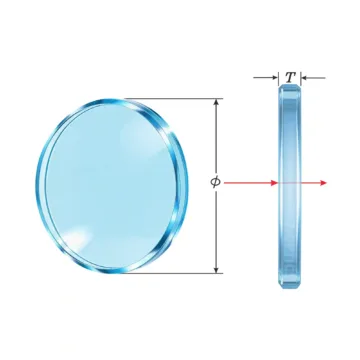
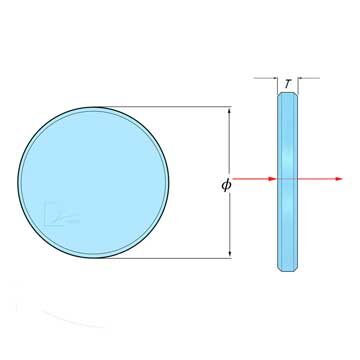
High-Performance Optical Components by Z-Optics Longpass filters are precision optical components designed to transmit wavelengths longer than a specified cutoff while blocking shorter wavelengths. These filters are essential in many advanced optical systems, providing excellent optical density (OD) and reliable wavelength selectivity over wide spectral ranges. Z-Optics offers a comprehensive range of longpass filters with various cut-on wavelengths, operational wavelength ranges, and standard dimension options to suit diverse industrial and scientific needs.
-
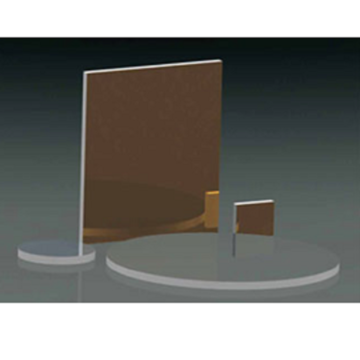
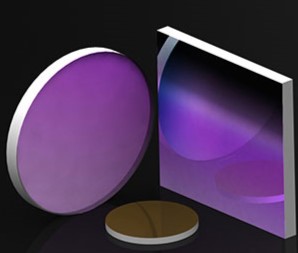
The Metallic Coated Float Glass Flat Mirror, an optical component from Z-Optics, is designed for superior reflectivity and durability, this mirror is engineered to meet the exacting standards of various industries. At the heart of this optical marvel is the use of high-quality float glass, providing exceptional flatness and surface quality. The metallic coating, meticulously applied, ensures outstanding reflectivity across a broad spectrum of wavelengths. This combination of materials results in a mirror that not only delivers reliable performance but also withstands the rigors of diverse applications. The flat mirror's design is optimized for precision, making it an ideal choice for beam steering, alignment, and optical setups where accurate reflection is paramount. Whether employed in scientific research, laser systems, or imaging devices, this optical component plays a crucial role in maintaining the integrity of optical pathway
-
The Metallic Coated H-K9L Flat Mirror by Z-Optics stands as an exemplar of precision optics. Utilizing high-quality H-K9L glass, renowned for its excellent transmission in the visible spectrum, this flat mirror ensures optimal performance for a variety of applications. The metallic coating, applied with precision, enhances reflectivity across a broad range of wavelengths, making it a versatile choice for scientific, industrial, and research endeavors. The flat mirror's design is characterized by its commitment to precision, making it an ideal solution for applications such as beam steering, imaging, and laser systems. Z-Optics' expertise is evident in the mirror's ability to deliver consistent and reliable performance, meeting the stringent demands of diverse optical setups.
-
The Metallic Coated SiO2 Flat Mirror, a optical component by Z-optics Company. This mirror stands as a testament to Z-optics' commitment to precision, innovation, and superior optical solutions. Designed with meticulous attention to detail, the Metallic Coated SiO2 Flat Mirror incorporates advanced materials and manufacturing techniques to deliver unparalleled performance in various optical applications. The mirror's substrate is composed of high-quality SiO2, ensuring exceptional clarity and durability. This substrate acts as a stable foundation for the metallic coating, enhancing reflectivity and promoting optimal light transmission. The mirror's metallic coating, developed through proprietary processes at Z-optics. This coating not only ensures high reflectivity across the electromagnetic spectrum but also exhibits remarkable resistance to environmental factors such as humidity and temperature variations. As a result, the Metallic Coated SiO2 Flat Mirror maintains its optical integrity and reflective properties over an extended lifespan.
-
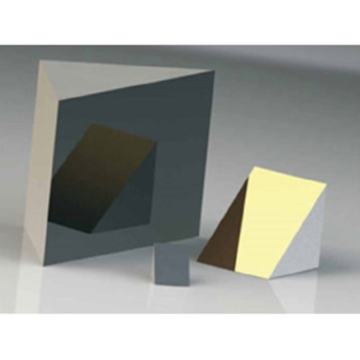
Mirror on Prism, an optical component combines the reflective capabilities of a mirror with the light manipulation properties of a prism, offering a versatile solution for optical systems. The Mirror on Prism from Z-optics serves as a bridge between traditional mirror applications and the unique characteristics of prisms. Its design optimizes space utilization while providing the reflective functionality essential for directing light in desired directions. This makes it an ideal component for applications where compactness and precise light control are paramount, such as in periscopes or complex optical setups.
-
Multimode Achromatic Fiber Collimators is used for wide band application. Chromatic aberration is elaborately compensated with special design on materials, curves, thickness and separation of lenses. Please use right connectors and fibers listed in tables.
-
Discover Z-Optics Notch Filters, precision-engineered optical components designed to selectively block specific wavelengths with high accuracy while maintaining excellent transmission outside the blocked band. Our notch filters are ideal for advanced optical systems requiring precise wavelength control, such as laser protection, fluorescence microscopy, Raman spectroscopy, and telecommunications.
-
-
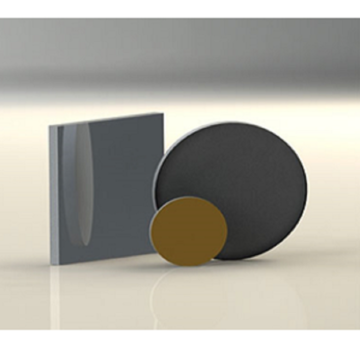
Reflective Achromatic Fiber Collimators uses a 90⁰ off-axis ellipsoidal mirror to couple free space laser beam into fiber or vice versa. Focal length of reflective mirror is irrelevant with wavelength. That makes it an idea solution to achromatic aberration. Al, Ag and Au is optional to be deposited as reflective film.
- Aluminum averages greater than 90% reflectance from 200nm to the far infrared, except in the 750 – 900nm region where it averages around 85% reflectance.
- Silver coatings can offer better performance in the visible and NIR from 450nm to 2μm.
- For IR performance gold coatings offer high reflectivity of around 97% from 700nm up to 10μm.
-
Short Work Distance Pigtailed Fiber Collimators can focus light into a very small spot(several microns to dozens of microns diameter), which is important for some applications like topography, ranging.